
NFPA Standard: Beginner’s Guide to Fire Safety Regulations
Fire safety equipment like sprinkler systems, fire hose reels, and extinguishers is ubiquitous in buildings. The National Fire Protection Association (NFPA) is a nonprofit organization that develops and publishes consensus NFPA standards and codes for fire protection and safety. Founded in 1896, NFPA has become the leading authority on fire, electrical, and building safety.
Its mission is to “reduce the worldwide burden of fire and other hazards” through codes, research, training, and education. In practical terms, NFPA standards provide fire safety regulations and design guidelines that ensure fire protection systems—from building materials to alarm systems—are safe and effective. By following these standards, even beginners can help protect lives and property while meeting legal and insurance requirements.
What Are NFPA Standards?
NFPA codes and standards are developed by expert committees through a consensus process. They cover virtually every aspect of fire and life safety, from construction and maintenance of buildings to installation of fire alarms and extinguishing systems. For example, NFPA 13 specifies sprinkler system design and installation, while NFPA 25 covers inspection and maintenance of those sprinklers.
These standards are often adopted (wholly or partly) into local building codes and regulations, making compliance essential for legal occupancy and insurance. NFPA publishes over 300 codes and standards for diverse topics—such as fire alarms (NFPA 72), electrical safety (NFPA 70), hazardous materials (NFPA 30), and emergency evacuation (NFPA 101). Each NFPA standard is periodically updated (typically every 3–5 years) to incorporate the latest fire safety research and technology.
NFPA Standards and Fire Safety Regulations
NFPA standards serve as de facto fire safety regulations in many settings. They establish the minimum requirements for safe design, installation, and operation of fire protection systems. For example, NFPA 1 (Fire Code) consolidates many fire safety rules, while NFPA 101 (Life Safety Code) specifies occupancy and egress requirements. Under these regulations, building owners and designers “have a common language” for fire safety across industries. In other words, whether you’re protecting a warehouse or a hospital, compliance with NFPA’s codes means adhering to recognized fire safety regulations. Local authorities often use NFPA standards as benchmarks; meeting NFPA guidelines can simplify obtaining permits and reduce liability.
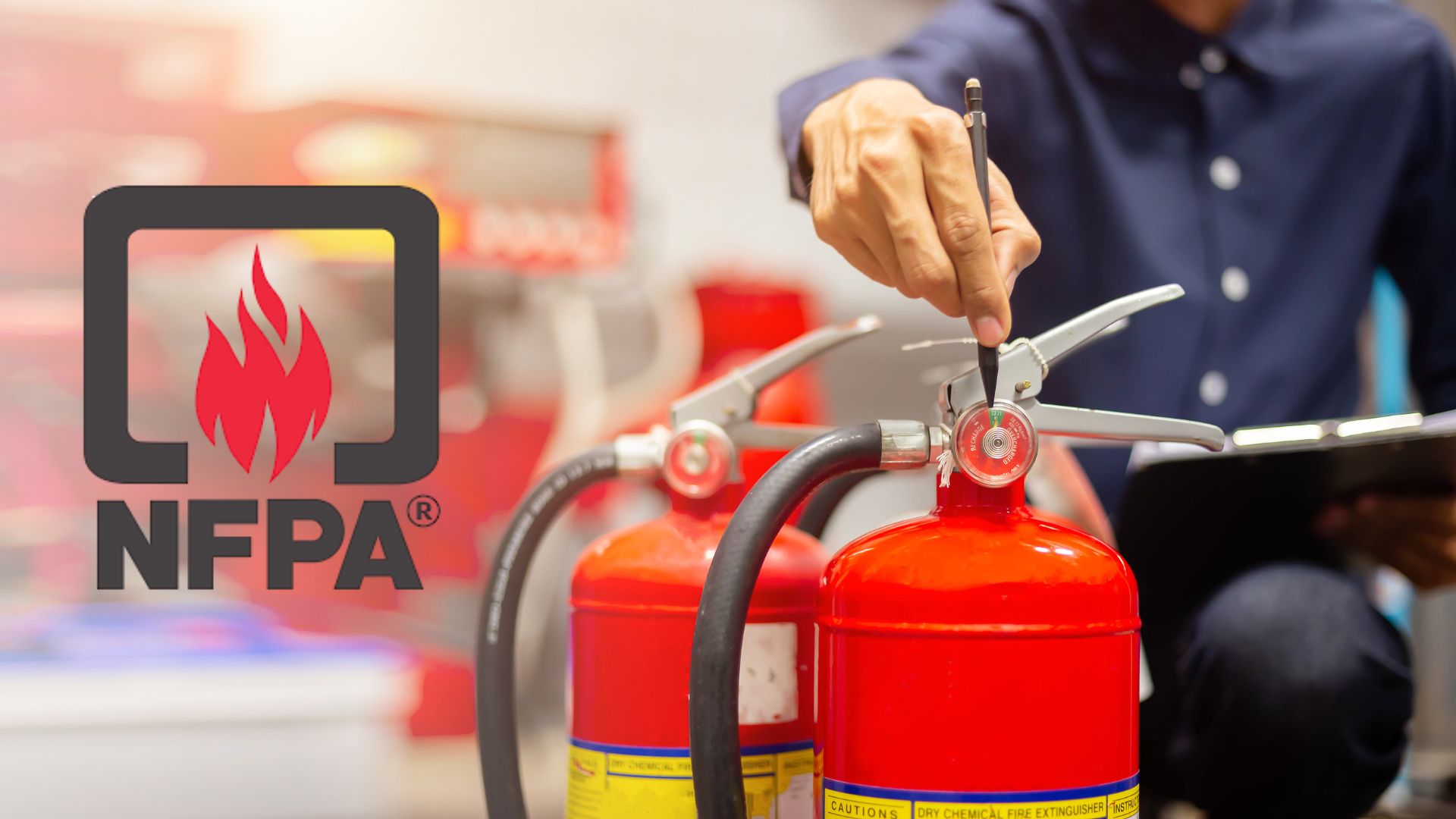
One practical example is portable fire extinguishers. NFPA 10 (Standard for Portable Fire Extinguishers) dictates how extinguishers must be selected, installed, and maintained. It ensures that extinguishers are available in the right type and size for a given hazard. In industrial environments or high-rise buildings, NFPA 10 might require additional features (like pressure gauges or mounting height limits) to meet fire safety regulations.
By contrast, NFPA 13 (Sprinkler Systems) defines how sprinklers must be placed and what water supply they need. Together, these codes ensure that when a fire occurs, building systems will respond as intended. In practice, following NFPA standards like these is vital for fire protection & safety; it means hydrants, hose reels, and alarms will function during an emergency.

Why NFPA Standards Matter in Fire Protection & Safety
NFPA standards exist to minimize fire risk and protect people. They accomplish this by providing detailed guidance on prevention, detection, and suppression. For instance, NFPA 72 (Fire Alarm and Signaling Code) specifies how smoke detectors and alarm panels should be installed for timely fire detection. It ensures early warning so occupants can evacuate safely. Similarly, NFPA 13/15 (sprinklers and fixed water spray systems) sets performance criteria so that sprinkler heads activate only when needed, targeting the fire precisely and minimizing water damage. By requiring these systems to meet strict design standards, NFPA codes improve building safety for everyone.
Adhering to NFPA standards also has practical benefits. It can limit property damage by ensuring fire-resistant materials and proper storage of flammable goods (as outlined in NFPA 30, for example). It can also save lives—codes like NFPA 101 lay out the number and width of exits needed so people can flee quickly during a fire.
In fact, noncompliance with NFPA-based fire safety regulations can lead to legal and financial penalties. For businesses, failing to follow an NFPA code might result in insurance claims being denied or fines from authorities. Therefore, even beginners should take NFPA guidance seriously to stay safe and avoid consequences.
Key NFPA Standards for Fire Protection
While NFPA has hundreds of standards, some are particularly relevant for fire protection:
- NFPA 13 (Sprinkler Systems): Specifies how automatic sprinkler systems must be designed and installed. It covers factors like water demand, pipe sizes, and sprinkler placement. For example, in high-piled storage warehouses, NFPA 13 requires special “Early Suppression Fast Response” (ESFR) sprinklers to control fast-spreading fires. EMACO’s warehouse fire protection solutions are designed to meet NFPA 13 requirements, ensuring effective coverage for goods of various heights.
- NFPA 15 (Fixed Water Spray Systems): Applies to fixed spray nozzles (distinct from sprinklers) for hazards like flammable liquids or gas. Water spray nozzles disperse water over a large area at high pressure. NFPA 15 defines their pattern, droplet size, and activation (typically used over large tanks or industrial processes). These systems are ideal for areas with chemicals or propellants; when activated, they suppress fire quickly with minimal additional damage. EMACO’s fire spray systems comply with NFPA 15, making them suitable for petrochemical facilities and similar high-risk industries.
- NFPA 25 (System Testing & Maintenance): Outlines the inspection and maintenance requirements for water-based fire suppression systems (sprinklers, pumps, valves, etc.). It doesn’t directly “protect” from a new fire, but it ensures all components work when needed. Regular NFPA 25 inspections can detect corrosion, leaks, or mechanical issues, preventing system failures.
- NFPA 72 (Fire Alarm & Signaling): Defines the installation of fire alarms, notification appliances (horns, strobes), and emergency communication systems. It also covers testing and inspector qualifications. For any building, following NFPA 72 means alarms will reliably alert occupants.
- NFPA 101 (Life Safety Code): Covers occupancy features like exits, door widths, emergency lighting, and travel distance to safety. It is critical in hotels, schools, hospitals, and other public buildings. Even fire sprinklers/alarms cannot do their job without proper egress paths as mandated by NFPA 101.
- NFPA 2001 (Clean Agent Fire Extinguishing Systems): Provides requirements for gaseous (clean agent) fire suppression, such as FM-200 or HFC-227ea systems. These systems extinguish fires without water and are safe for electronics. EMACO’s HFC-227ea clean agent systems are “manufactured following NFPA 2001 standards,” meeting UL certification. They are ideal for data rooms, museums, and telecom sites where water damage must be avoided.
- NFPA 75 (IT Equipment Protection): Specifically addresses data centers and IT facilities. It recommends automatic detection and specifies fire suppression (often pre-action sprinklers or clean agents) for areas housing servers. For example, NFPA 75 suggests using a preaction sprinkler system for a data center room, but prefers clean agent systems in server areas to prevent water damage. EMACO’s datacenter solutions comply with NFPA 75, offering both early smoke detection and clean agent suppression for critical equipment.
These examples show how NFPA standards dictate the design of specific fire protection systems. They all function together: alarms detect fire (NFPA 72), sprinklers or sprays suppress it (NFPA 13/15), and safe egress is provided (NFPA 101).

Sprinklers and Water Spray (NFPA 13 & 15)
Sprinkler systems (NFPA 13) activate the head closest to the fire, efficiently using water with minimal collateral damage. They are “chemical-free and very specific” in targeting fire. Above 12 feet of storage, standard sprinklers suffice, but for taller warehouses, ESFR sprinklers (per NFPA 13) are used. If storage exceeds 45 feet, NFPA 13 requires in-rack sprinklers or specialized systems like the Quell system (pre-action sprinklers) to protect each pallet level.
Alternatively, fixed water spray (NFPA 15) can cover large, high-heat hazards; it is “very specific, rapid in response with high water discharge” against flammable liquids, yet gentler than fog nozzles. These measures, defined in NFPA codes, ensure warehouse fires are contained quickly. EMACO’s Warehouse Fire Protection Solutions page details systems designed for these NFPA scenarios, including ESFR and in-rack sprinklers.
Fire Alarm and Detection (NFPA 72 & 101)
Early detection is critical. NFPA 72 standardizes how smoke and heat detectors, alarm panels, and notification devices must work. It ensures, for example, that smoke reaches detectors via proper ductwork and that alarms are loud enough. In buildings, NFPA 101 complements this by requiring illuminated exit signs, emergency lighting, and unobstructed egress paths. Together, these codes mean that if a fire starts, the alarm sounds, and occupants can evacuate safely. Failure to comply could render alarms silent or exits locked, which NFPA explicitly prohibits. Many EMACO products support these code requirements.
Clean Agents and Special Hazards
Certain areas have fire risks that conventional systems can’t safely address alone. Data centers, archives, and some industrial processes fall into this category. NFPA 2001 covers clean agent systems, specifying agent concentrations and discharge times so that hazards are extinguished without harm to equipment or people. EMACO’s Clean Agent Suppression Systems meet these NFPA 2001 criteria, using non-toxic gases to fill a room and snuff the fire. By following NFPA 2001, a data center can have both sprinklers (for utility rooms) and gas systems (for server rooms), achieving full fire protection without water damage.

NFPA Standards in Fire Safety Regulations for Major Industries
Different industries integrate NFPA standards into their fire safety regulations based on unique hazards. For example:
- Oil & Gas, Petrochemical: High fire loads from flammable liquids and gas mean multiple NFPA codes apply. NFPA 30 (Flammable Liquids) and NFPA 58 (LP-Gas) dictate storage and piping standards. For suppression, NFPA 15 fixed spray and foam systems (NFPA 16) protect tanks and process areas. NFPA 72 and 101 ensure alarms and egress in refineries. EMACO supplies specialized foam and spray systems for these settings.
- Power & Energy: Electrical generators and turbines require NFPA 37 (Stationary Combustion Engines) and NFPA 20 (Fire Pumps). Electrical switchgear rooms often use gas or clean agent suppression (per NFPA 12 for CO₂ or NFPA 2001 for halocarbons). EMACO’s pump packages and extinguishers comply with these energy-sector standards.
- Warehousing & Storage: Industries storing large quantities of goods must follow NFPA 230 (Storage of Rubber Tires), NFPA 231 (Grain Elevators), or NFPA 231C (Pallets/Crates). Most commonly, NFPA 13 and 15 apply (sprinklers and sprays). The higher the racks, the more stringent the NFPA requirements become. EMACO’s Warehouse Fire Protection Solutions (link) are explicitly designed for these NFPA scenarios, including in-rack systems and ESFR sprinklers.
- Data Centers & Telecom: As noted, NFPA 75 is central here. Backup power rooms also follow NFPA 70 (National Electrical Code) and NFPA 110 (Standby Power Systems). Because equipment is sensitive, clean agents (NFPA 2001/2004) are preferred over water. EMACO’s Datacenter Fire Protection Solution page discusses NFPA-compliant strategies such as pre-action sprinklers and HFC-227ea systems.
- Healthcare & Education: Hospitals and schools emphasize occupant safety. NFPA 99 (Health Care Facilities Code) applies to hospitals, including medical gas systems. NFPA 101 sets stringent exit requirements for schools and hospitals (areas of refuge, fire barriers). Fire alarms (NFPA 72) and sprinklers (NFPA 13R for residences) are mandatory in these occupancies.
- Aviation & Aerospace: Hangars and fuel systems follow NFPA 415 (Aircraft Hangars) and NFPA 407 (Aircraft Fuel Servicing). Aircraft hangars typically require high-capacity sprinkler coverage (NFPA 409).
- Marine & Offshore: Shipping and offshore rigs use NFPA 302 (Marine Terminals) and NFPA 303 (Naval Vessels), along with IMO (International Maritime) codes.
- Commercial & High-Rise: Office buildings, malls, and hotels adhere to codes like NFPA 101 for egress and NFPA 72 for alarms. High-rises may also use NFPA 72 Annex O for evacuation procedures. Sprinkler design follows NFPA 13 and enhanced systems (like pressurized standpipes per NFPA 14). EMACO’s infrastructure products (standpipes, valves, hoses) support these standards.
These industry examples show that NFPA codes underpin almost all fire protection & safety regulations. Companies like EMACO tailor solutions for each sector. For instance, EMACO offers Warehouse Fire Protection Solutions (sprinklers and in-rack systems) and Data Center Fire Protection Solutions (clean agents and early smoke detection) that align with NFPA standards for those industries.
Using NFPA Codes: Compliance and Best Practices
Implementing NFPA standards involves more than reading the books. Typically, an Authority Having Jurisdiction (AHJ) – such as a fire marshal or building inspector – enforces the adopted codes. Facilities usually work with certified fire protection engineers or contractors (like EMACO) to design systems that meet NFPA requirements. As Koorsen notes, NFPA codes “provide guidelines for the design, construction, and maintenance of buildings” and fire safety equipment. In practice, following NFPA means:
- Design Phase: Fire protection plans reference relevant NFPA standards (e.g., specifying sprinkler density per NFPA 13).
- Installation/Construction: Contractors install equipment listed or certified (e.g. UL-listed sprinklers) in accordance with NFPA layout and pipe sizing rules.
- Inspection/Maintenance: Trained personnel perform NFPA 25 inspections, NFPA 72 system tests, etc., ensuring ongoing compliance.
- Documentation: Detailed records (as NFPA 25 and 72 require) prove to inspectors that systems are maintained.
Organizations also benefit from NFPA training and resources. The NFPA itself offers courses on code interpretation, and many companies provide NFPA e-learning. EMACO’s technical team, for example, helps clients navigate “what to do to stay up to code,” as mentioned by Koorsen.
Finally, NFPA standards and regulations are updated regularly. For example, NFPA 13 is revised every three years. Staying current is important: what was compliant in 2015 may be outdated now. Engaging with NFPA through committees or using the NFPA Code Subscription Service helps professionals keep up-to-date.
FAQ: NFPA Standard
Q1: What does NFPA stand for, and what are its standards?
A: NFPA stands for the National Fire Protection Association. It is a non-profit organization that develops and publishes fire protection codes and standards. These NFPA standards cover fire safety aspects like building construction, sprinkler systems, fire alarms, electrical safety, hazardous materials handling, emergency egress, and more.
Q2: Are NFPA standards mandatory?
A: NFPA standards themselves are voluntary, but they become mandatory when adopted into law by local or state governments. Most building codes reference NFPA standards, making compliance effectively required by law. Even when not legally enforced, following NFPA codes is considered best practice for fire protection and can be required by insurers and regulators.
Q3: Which NFPA standards should I know for fire protection?
A: Key NFPA standards include NFPA 13 (Sprinkler Systems), NFPA 72 (Fire Alarm Systems), NFPA 25 (Inspection of Water-Based Systems), NFPA 101 (Life Safety Code), NFPA 70 (Electrical Code), and NFPA 2001 (Clean Agent Systems), among others. For specific industries, additional standards apply (e.g. NFPA 75 for data centers, NFPA 30 for flammable liquids).
Q4: What is NFPA 13?
A: NFPA 13 is the standard that governs the installation of sprinkler systems. It specifies sprinkler layout, water supply requirements, and design criteria so that sprinklers will effectively suppress fires. NFPA 13 is crucial in warehouses, offices, and many commercial buildings.
Q5: What is NFPA 25?
A: NFPA 25 is the standard for inspection, testing, and maintenance of water-based fire protection systems (sprinklers, fire pumps, standpipes, etc.). It ensures that all components remain in working order. Regular NFPA 25 inspections are required to maintain insurance and ensure systems function in an emergency.
Q6: How often are NFPA standards updated?
A: Most NFPA codes are on a 3-year revision cycle. Committees review and publish new editions that incorporate the latest research, technology, and lessons learned from fire incidents. For example, NFPA 13 is typically updated every three years. Staying current with the latest edition is important for compliance and best practices .
Q7: How do NFPA standards affect fire alarm design?
A: NFPA 72 dictates fire alarm and signaling requirements. It covers detector placement, alarm notification timing, system testing, and maintenance. For example, NFPA 72 requires smoke detectors in corridors and attics, and audible alarms in all occupied spaces. Following NFPA 72 ensures alarms will activate early and alert everyone promptly.
Q8: Can I find NFPA standards online?
A: Yes, NFPA publishes all codes and standards on its website. You can purchase official PDFs or view them through the NFPA Code Subscription Service. EMACO and other fire safety organizations also summarize key points in blogs and guides. Always reference the latest NFPA edition for authoritative information.
Q9: Are EMACO products authentic and compliant with NFPA standards?
A: Yes. All EMACO fire protection products are designed and manufactured to meet internationally recognized NFPA standards. Our systems—such as sprinklers, clean agent suppression, and fixed water spray solutions—are tested, UL-listed, and FM-approved where applicable, ensuring authenticity and reliability for critical fire protection applications.
Q10: What happens if I don’t follow NFPA standards?
A: Ignoring NFPA standards can lead to unsafe conditions and legal issues. If a fire occurs, equipment may fail to operate correctly. Regulatory bodies and insurers may impose fines, revoke occupancy permits, or deny claims if NFPA-based regulations were not followed. More importantly, lives are at risk. Compliance with NFPA standards is the best way to prevent fire tragedies.
NFPA standards form the foundation of fire protection and safety worldwide. For beginners, understanding NFPA standards means recognizing that these codes are the basis for almost every fire safety regulation. They cover everything from sprinklers and alarms to chemical suppression and exit signage. By following NFPA guidelines—whether it’s NFPA 13 for sprinklers, NFPA 72 for alarms, or NFPA 2001 for clean agents—you ensure that your fire protection systems meet the highest safety criteria. This reduces risk, protects lives, and helps avoid penalties for non-compliance.
For tailored solutions that meet these standards, EMACO GLOBAL offers comprehensive fire safety products and system designs. Explore EMACO’s Warehouse Fire Protection Solutions or Datacenter Fire Protection Solution to see how our offerings align with NFPA requirements. Our Clean Agent Suppression System meets NFPA 2001 for electronic vaults and server rooms.
By integrating NFPA standards into your fire protection planning, you ensure that robust fire safety regulations are met in any facility. To learn more or get expert guidance, contact EMACO today. For updates and insights, check out our news posts like “EMACO at IFCEM 2024”, which highlight industry trends in fire safety. Stay informed, stay compliant, and prioritize safety by following NFPA standards in all your fire protection projects.
 based in USA, provides full spectrum of fire safety and security products and solutions for industrial, commercial and large residential premises. Each premise is unique and we design solutions that best fit in the market and cater to all present and future needs.