
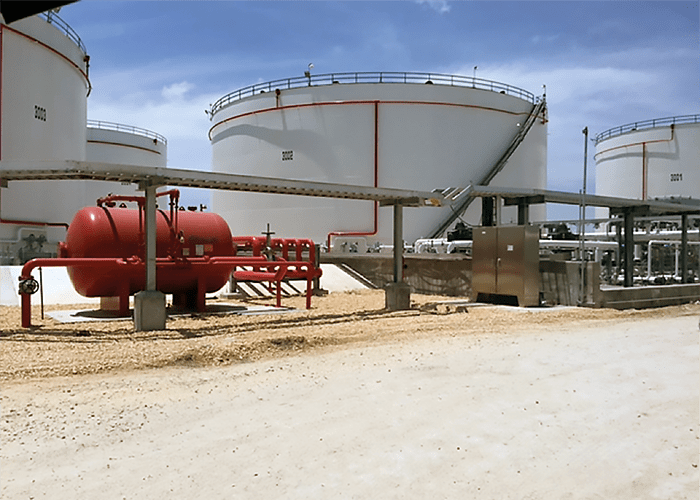
Best Fire Suppression System Solutions for Power Plants and Utility Stations
Power plants and utility substations operate massive equipment and store fuels under high pressure, creating unique fire hazards. A robust fire suppression system is critical in these settings to quickly extinguish fires and protect personnel and assets. Industrial facilities like power stations typically require specialized industrial fire protection systems that go beyond standard sprinklers. This article explores top fire suppression solutions – from water-based sprinklers to foam and clean-agent systems – tailored for power plants and utilities. We’ll highlight applicable NFPA codes (e.g. NFPA 850, NFPA 2001, NFPA 12), discuss system selection factors, and show how products like EMACO’s fire safety solutions integrate into these environments.

Power Plant Fire Hazards and Protection Challenges
Power plants and utility stations face a mix of Class A (wood, paper), Class B (flammable liquids/fuels), and electrical fire hazards. Typical sources include turbine lubricants and hydraulic fluids, transformer oil, fuel gas leaks, hot surfaces, and complex electrical switchgear. In a gas-fired or coal-fired plant, engine rooms and fuel storage pose high risk, while utility substations contain oil-filled transformers and switchgear. If not contained, a fire can cause catastrophic downtime and environmental damage. For example, combined-cycle plants with gas turbines have “extremely hot surfaces and the use of lubricating oils, [which] pose a fire risk” – highlighting the need for quick detection and suppression.
Key challenges include: high heat release (quick flame spread), large quantities of flammable liquids, high-voltage electrical equipment, and occupied control rooms. Any fire suppression solution must extinguish flames fast without endangering workers or critical electronics. It should also meet rigorous codes: NFPA 850 (fire protection for electric generating plants), NFPA 12 (CO₂ systems), NFPA 2001 (clean agents), NFPA 20/22 (pump and water systems), NFPA 72 (alarms), and NFPA 70 (electrical) are all relevant. In practice, facilities often adopt a multi-layered approach: sprinkler or water spray systems for large area fires, foam systems for fuel tanks, and gaseous/clean-agent systems for electrical rooms or control houses.
Key Takeaways: Power plants must address Class B flammables and electrical fire hazards. Solutions often combine sprinkler/deluge, foam, and gas-based agents. Systems are designed per NFPA 850 and other codes to protect equipment, people, and uptime.

Clean Agent Suppression Systems for Utilities
A clean agent fire suppression system floods a room with inert or halocarbon gas to extinguish fires without using water. This makes it ideal for electrical and control rooms in plants, substations, and data centers at utilities. Because the agents leave no residue and are non-conductive, the fire suppression system protects sensitive equipment while minimizing downtime. In fact, clean agents “extinguish fires usually between 30 and 45 seconds” once activated, ensuring rapid knockdown while remaining safe for most occupied spaces.
Common clean agents used in a modern fire suppression system include:
- FM-200 (HFC-227ea): A colorless, electrically non-conductive gas stored in pressurized cylinders. It absorbs heat to stop combustion and can suppress fire in as little as 10 seconds in a sealed room. Emaco’s UL-listed HFC-227ea Clean Agent Fire Suppression System is widely deployed in industrial control rooms.
- Novec 1230 (FK-5-1-12): Known for its low environmental impact and fast dispersion. It requires only 4.2–5.9% concentration of room volume (per NFPA 2001) to extinguish fire.
- Inert Gas (IG-541, IG-55): Blends of nitrogen, argon, and CO₂ that suppress combustion by reducing oxygen concentration. Safe for humans, they leave no residue but require higher storage volumes.
- Carbon Dioxide (CO₂) : Used in unoccupied areas such as engine rooms or fuel handling zones. While technically a clean gas, it is not safe for occupied spaces but remains highly effective against Class B and electrical fires.
Each clean agent fire suppression system is integrated with an automatic release panel and fire detection devices. A smoke or heat detector activates the sequence, a pre-discharge alarm allows personnel to evacuate, and the agent floods the room to extinguish the flames. Because they rely on airtight “total flooding,” clean agent systems provide complete floor-to-ceiling coverage within seconds.
EMACO GLOBAL’s clean agent fire suppression system solutions, for example, use multi-cylinder arrangements and NFPA 2001-compliant panels—delivering reliable protection for mission-critical facilities.
Internal Link: See our Clean Agent Suppression System products for detailed specifications.

Foam-Based Fire Suppression for Flammable Liquids
Foam fire suppression systems are vital where hydrocarbons or lubricants are present. High-expansion foam, aqueous film-forming foam (AFFF), and protein/fluoroprotein foams blanket flammable liquid spills to suppress vapors and cool the fuel. In power plants, foam is used in fuel storage areas, transformer yards, oil fuel pumping stations, and battery rooms. When a foam system activates, it mixes foam concentrate with water and air; the resulting blanket prevents oxygen from reaching the fuel and cools the fire. Emaco’s foam products (e.g., foam concentrates, proportioners, monitors, and foam chambers) provide tailored solutions.
Foam concentrates “produce a thin aqueous film layer, which prevents the release of fuel vapors. The foam blanket extinguishes the fire and prevents re-ignition. The water content of the foam provides a cooling effect.” For example, in a diesel fuel storage tank fire, a foam pourer can quickly inundate the surface with foam to knock down flames. Medium- and high-expansion foam systems (large-volume foam) are used for larger hazards like furnace rooms or battery flood rooms. Emaco’s foam range includes EMACO FOAM CONCENTRATES and related equipment to match NFPA 11 standards.
Foam system components often include:
- Foam concentrate tanks and proportioning systems (e.g. balanced pressure inductor or bladder tank) that mix the correct concentrate ratio.
- Nozzles and monitors (fixed or mobile) that project foam onto hazards.
- Rim seal foam pourers for large storage tanks.
- Foam chambers for fixed nozzles.
Properly designed foam systems can rapidly control Class B fires in seconds. They are typically paired with hydrants or deluge valves to provide the necessary water flow. (NFPA 15 and NFPA 20 cover such systems.)
Water-Based Sprinklers and Deluge Systems
Water remains a cornerstone of any fire suppression system, especially for Class A hazards like wood, paper, and structural fires, while also cooling nearby equipment. Automatic sprinkler systems—wet pipe, dry pipe, and pre-action—are among the most common water-based fire suppression systems in power plants, protecting areas such as cable tunnels, warehouses, and office spaces. Deluge systems, another form of fire suppression system, feature open nozzles that release water instantly across a large area (e.g., transformer banks or fuel offloading stations) once detection equipment signals a fire. In switchgear and generator rooms, pre-action sprinklers (double-interlock) prevent accidental discharge while still providing rapid protection.
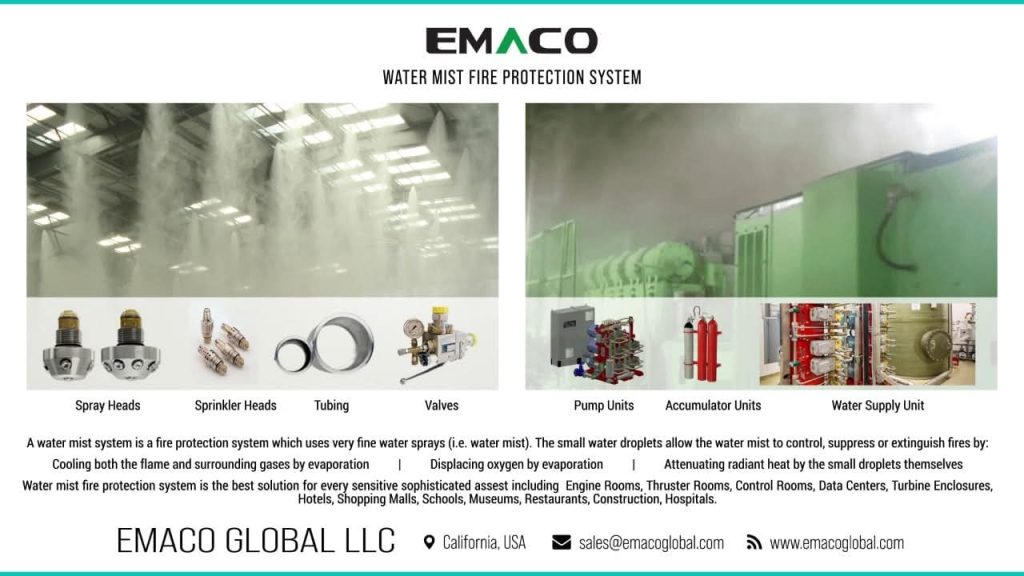
Modern water-based fire suppression systems may also use water spray nozzles or water mist technology for specific applications. For example, water mist systems are highly effective in turbine halls, cooling hot surfaces with fine droplets while using much less water than traditional sprinklers. These systems comply with NFPA 13 (sprinklers) and NFPA 15 (water spray), ensuring reliability and safety.
Regular inspection and testing are critical for water-based fire suppression systems. NFPA 25 mandates monthly checks of sprinklers and valves, plus annual flow tests for deluge and sprinkler systems. EMACO GLOBAL provides sprinkler valves, deluge valves, and check valves engineered for dependable operation in demanding environments. Ultimately, a well-maintained water-based fire suppression system remains the first line of defense against industrial fires, especially in high-risk energy facilities.
Fire Detection and Alarm Integration
An effective fire suppression system starts with reliable detection. In power plants, fire alarms, smoke detectors, and heat sensors are connected to a suppression control panel. When a detector senses smoke or excessive heat, it signals the panel to trigger the fire suppression system. After a short pre-discharge delay—allowing personnel to evacuate—the system automatically releases the chosen agent (water, foam, or gas).
To avoid false activations, many facilities use cross-zone or multi-sensor logic. For example, NFPA 2001 requires that a clean agent fire suppression system verify at least two detection events before gas discharge. Once activated, solenoid valves open, and the suppression medium floods the room through piping and nozzles within seconds. In critical spaces such as data centers or control rooms, advanced addressable smoke detectors ensure that even minimal smoke is quickly identified and tied into the fire suppression system response.
For broader site safety, fire detection is also integrated with the building management system. When the fire suppression system is triggered, power to high-risk equipment shuts down, HVAC fans are stopped, and dampers close to limit smoke spread. Audible alarms and strobe lights guide personnel to evacuate. EMACO GLOBAL supports this with fire alarm circuit cables, horn strobes, and other components designed to complement the suppression network.
By combining smart detection with a robust fire suppression system, facilities can ensure that the first signs of fire are met with a rapid, coordinated, and code-compliant response.
Maintenance, Testing, and Compliance
Installing a fire suppression system is only half the battle; ongoing maintenance and code compliance keep it reliable. NFPA standards dictate inspection schedules: for example, NFPA 25 calls for weekly or monthly sprinkler inspections and annual pump tests. Clean agent systems (per NFPA 2001) require periodic cylinder weight checks, pressure tests, and control panel verification. Foam systems need annual proportioner tests and occasional foam solution recirculation.
All suppression components – valves, hoses, nozzles, detectors, alarms – must be professionally inspected. Many power plants partner with specialist providers for this. EMACO Global offers testing and certification services per NFPA and FM Global requirements. A well-maintained system ensures that in an emergency, each component functions as designed.
Compliance also means following up-to-date codes. For power plants, NFPA 850 (2020 edition) is recommended practice – it provides a systematic framework for fire risk evaluation in electric generating facilities. NFPA 850 emphasizes identifying hazards (like turbine rooms or fuel storage) and tailoring protection accordingly. Utilities should also meet local building codes, OSHA standards, and any utility commission regulations. Essentially, fire protection in a power station must be integrated from design through operation, with documentation (drawings, risk analyses, maintenance logs) to prove compliance.
Insider Tip: Many industrial insurance policies and regulators treat NFPA 850 guidance as “the law of the land” for power plants. Demonstrating adherence through regular testing and updates can even lower insurance premiums.

FAQ: Fire Suppression System
Q1: What fire suppression system is best for a power plant?
A1: Power plants usually need a combination of systems. Sprinklers/deluge valves cover large structural fires, foam systems handle fuel/oil fires, and clean agents (FM-200) or CO₂ protect electrical/control rooms. The “best” solution depends on the specific hazard (e.g. transformer oil vs. control room equipment) and must comply with NFPA standards.
Q2: What is an industrial fire protection system?
A2: An industrial fire protection system includes detection (alarms, smoke detectors), suppression (sprinklers, foam, gas, dry chemical), and passive elements (fire doors, dampers). It is tailored for heavy industries like power plants, chemical plants, etc., addressing unique hazards such as flammable liquids and high voltage equipment.
Q3: What is a clean agent suppression system?
A3: A clean agent suppression system uses inert or halocarbon gases (e.g. FM-200, Novec 1230, Inergen) to extinguish fires without water. The gas floods the protected space, absorbing heat or displacing oxygen. Clean agents are electrically non‑conductive and leave no residue. They are ideal for critical areas (data centers, control rooms) because they protect assets and allow quick restart.
Q4: How does NFPA 850 apply to power plant fire safety?
A4: NFPA 850 is the Recommended Practice for electric generating plants. It provides a framework for fire risk evaluations and designing protection (sprinklers, suppression, alarms) based on identified hazards. While not legally mandatory in all jurisdictions, following NFPA 850 represents industry best practices for managing fire and explosion risks in power facilities.
Q5: Why is EMACO GLOBAL the best choice for fire suppression system solutions in power plants and utility stations?
A5: EMACO GLOBAL stands out because we design and deliver fire suppression system solutions that meet the unique hazards of power plants and utility stations. From clean agent suppression systems for control rooms to deluge and foam systems for transformer yards, our products are built to NFPA standards and tested for industrial reliability. We provide UL-listed equipment, advanced detection and alarm integration, and tailored system design that minimizes downtime while maximizing safety. With decades of expertise in industrial fire protection, EMACO GLOBAL ensures each fire suppression system is engineered for performance, compliance, and long-term dependability.
Q6: Can CO₂ systems be used where people are present?
A6: No. CO₂ displaces oxygen to extinguish fire and can be lethal in occupied spaces. In power plants, CO₂ systems are used only in unoccupied areas (e.g. engine rooms, cable tunnels without people). Portable CO₂ extinguishers are common in switchgear rooms for Class B/electrical fires, but any automatic CO₂ discharge system must have strict human-safety interlocks.
Q7: Why use foam suppression in a power plant?
A7: Foam is essential where large liquid fuels are present. It creates a blanket over flammable liquids (diesel, fuel oil, hydraulic fluid) to prevent vapor release and cool the fuel. For example, diesel storage tanks, engine generator rooms, and transformer oil pits benefit from foam. Water alone may spread fuel, so AFFF or protein foams (NFPA 11 compliant) are used to quickly knock down fires and prevent re-ignition.
Q8: How often should I test fire suppression systems?
A8: Per NFPA: Sprinklers are inspected monthly and pumped/tested annually (NFPA 25). Foam systems and water pumps also have annual tests. Clean agent systems (per NFPA 2001) require periodic weight/pressure checks (typically every 6 or 12 months) and alarm functional tests monthly or quarterly. Portable extinguishers need annual checks and hydrostatic testing every 5-12 years. Always follow the relevant NFPA code schedules.
Q9: What types of fire detectors are used in power plants?
A9: Power plants use a mix of smoke detectors, heat detectors, and flame detectors depending on location. High-value control rooms often have very early warning smoke detection (VESDA). Large halls use rate-of-rise or fixed-temperature heat detectors. All tie into a centralized fire alarm panel (meeting NFPA 72). Upon detection, suppression systems (sprinklers, gas, etc.) are activated as designed.
Q10: How can I contact EMACO Global for fire suppression solutions?
A10: EMACO Global specializes in industrial fire protection products (sprinklers, foam systems, clean-agent systems, extinguishers, etc.). You can contact EMACO to discuss a custom suppression system for your plant. Our specialists will help select and design a NFPA-compliant fire suppression solution that fits your power/utility facility needs.
Power plants and utility stations are critical infrastructure, and their safety depends on comprehensive fire protection systems. The best strategy combines multiple suppression technologies: water sprinklers for general fire spread, foam for liquid fuels, and clean-agent or CO₂ systems for electrical and control equipment. Early smoke detection and NFPA-compliant controls tie everything together, ensuring rapid response. By following NFPA 850 and related standards, facilities can minimize risk to personnel and prevent costly shutdowns.
Ready to safeguard your plant? Contact EMACO Global today for a consultation on industrial fire protection solutions. We can help you implement UL-listed clean agent systems, foam suppression solutions, sprinklers, and more – all customized to your power generation or utility facility. Protect your operations and assets with an expert-designed fire suppression system.
 based in USA, provides full spectrum of fire safety and security products and solutions for industrial, commercial and large residential premises. Each premise is unique and we design solutions that best fit in the market and cater to all present and future needs.