

Top Fire Protection Equipment in the USA: Essential Products for Safety
Effective fire safety begins with the right fire protection equipment, and in the United States, ensuring comprehensive fire preparedness is critical for protecting lives, property, and business operations. Each year, fire-related incidents result in substantial economic losses and disrupt countless organizations, highlighting the importance of reliable, code-compliant fire protection solutions. EMACO GLOBAL, a leading fire protection company in the USA, delivers a full spectrum of fire safety products and solutions with an extensive portfolio of UL, FM, and LPCB-approved systems—from portable extinguishers to advanced foam fire protection systems and HFC227ea fire suppression solutions, and many more.
These state-of-the-art products are engineered to detect, suppress, and control fires efficiently, minimizing damage and ensuring compliance with NFPA standards. This guide provides an in-depth overview of essential fire protection equipment, its applications across industries, and practical insights for selecting a trusted fire protection partner in the USA.
Fire protection equipment falls into several key categories. Below are the significant types every facility should consider:
- Portable Fire Extinguishers: Handheld units (dry chemical, CO₂, foam, water, etc.) for first-response firefighting. They are rated for different fire classes (A, B, C) and are essential in all buildings.
- Automatic Fire Sprinkler Systems: Building-wide sprinkler networks that detect heat and discharge water automatically. These are the most widely used fire suppression systems; they “control over 96% of the fire protection” and activate only where needed.
- Fire Detection & Alarms: Smoke/heat detectors, pull stations, and horns/notifications that alert occupants and connect to fire services. Early detection buys crucial escape time.
- Hose Reels, Standpipes, & Hydrants: Manual water delivery systems (hoses, reels, hydrant cabinets, etc.) for firefighters or trained staff to fight larger fires. Valves and pressure-control equipment support these systems.
- Specialised Suppression Systems: These include foam fire protection systems (for flammable liquid fires) and clean-agent (HFC-227ea) fire suppression systems (safe for electrical rooms and data centres). Each type targets specific hazards effectively.
Each category requires industry-standard components (for example, EMACO’s product lines include foam proportioners and HFC-227ea cylinders) and professional design/installation. The following sections describe these equipment types in detail.
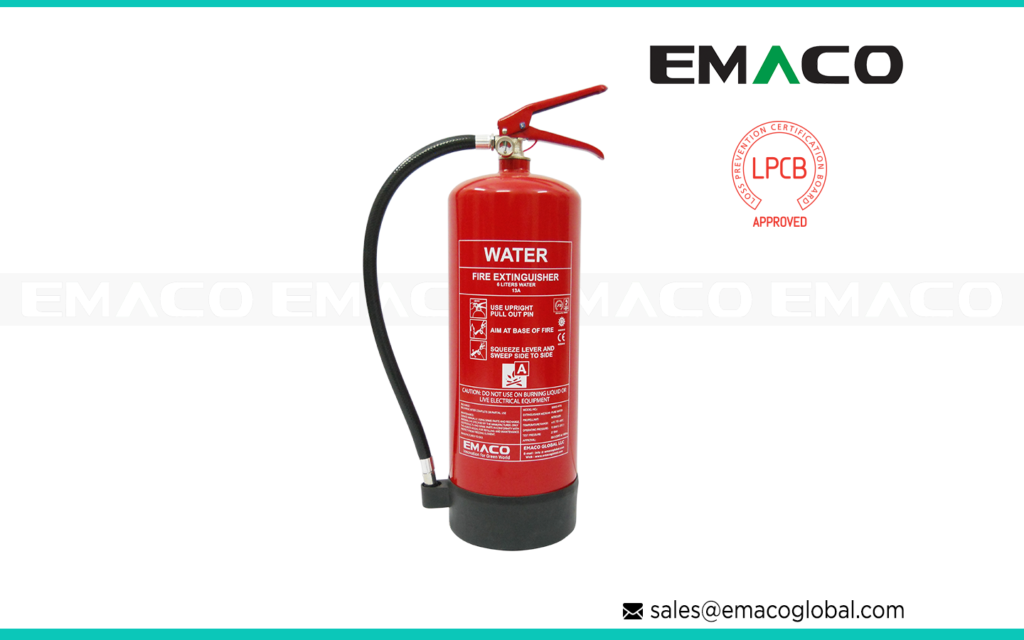
Portable Fire Extinguishers: First-Line Defence
Portable extinguishers are firefighting basics. They come in multiple types suited to different fires:
- ABC Dry Chemical Extinguishers: Multi-purpose units that work on ordinary combustibles (wood/paper), flammable liquids (grease/fuel), and electrical fires. They discharge a fine powder that smothers flames.
- Carbon Dioxide (CO₂) Extinguishers: Ideal for electrical fires (Class C). CO₂ gas displaces oxygen around the flame without leaving residue, making it safe for electronics. EMACO’s CO₂ extinguishers serve this need.
- Foam Extinguishers: Contain aqueous film-forming foam (AFFF) to tackle liquid fuel fires (Class B). The foam creates a blanket over the fuel, cutting off oxygen.
- Water Extinguishers: For Class A fires only (wood, paper). They spray water to cool and absorb heat.
Most US building codes (per NFPA 10) require a readily accessible extinguisher on each floor. Portable units save lives by stopping small fires before they grow. A study shows a single sprinkler (similar principle) controls a home fire 90% of the time; similarly, accessible extinguishers hugely limit damage if used properly. As a fire protection equipment company in the USA, training staff on extinguisher use is crucial.
Some special automatic extinguishers also exist. For example, automatic HFC-227ea extinguishers are ceiling-mounted units with heat sensors. EMACO’s UL-listed automatic HFC-227 extinguishers detect and suppress fires in seconds. These are ideal for server rooms or small enclosures where a quick gas discharge protects equipment without water damage. In fact, FM-200 (HFC-227ea) agents extinguish fires by absorbing heat, and can act in 10 seconds or less.
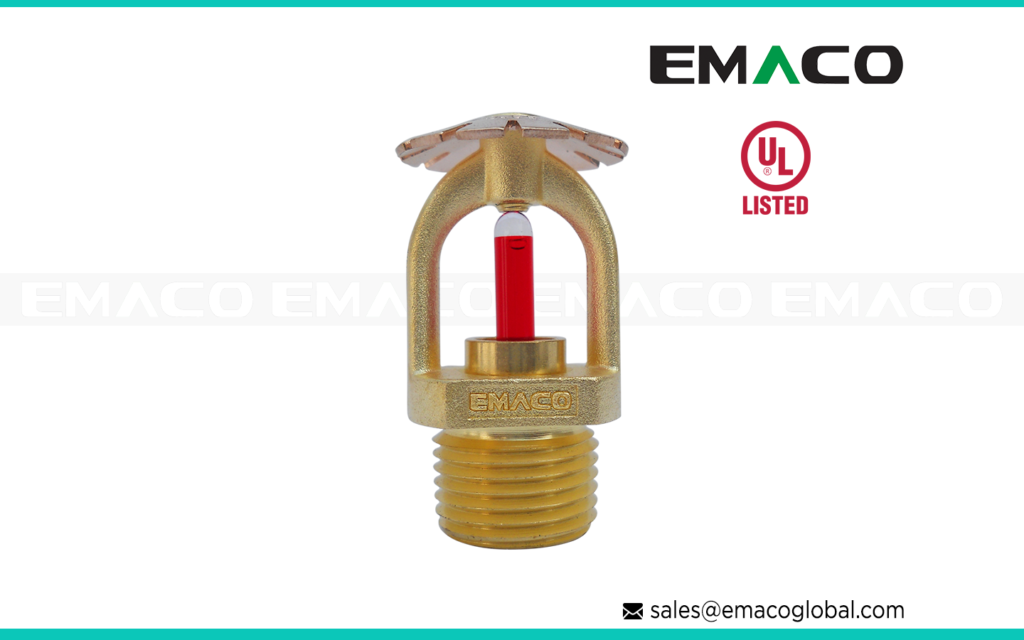
Fire Sprinkler Systems: Automatic Protection
Fire sprinklers are the workhorse of commercial fire protection equipment. An automatic sprinkler system has a network of pipes and sprinkler heads under pressure. When a fire’s heat reaches a sprinkler’s fuse or glass bulb, that head opens and sprays water directly onto the fire. Only the sprinkler(s) above the fire activate – others stay closed. Emaco notes that sprinklers “control over 96% of the fire protection” in a building, meaning almost all fires are stopped at an early stage.
Sprinkler systems follow NFPA 13 standards for design and installation, ensuring they reliably knock down fires quickly. They are a cost-effective active fire protection equipment solution; besides water damage, they prevent fire spread and allow safe evacuation. Modern systems include variations like wet-pipe (water-ready pipes), dry-pipe (pressurised air in pipes for freeze-prone areas), pre-action (double-trigger for accidental prevention), and deluge (all heads open for high-hazard zones). Each serves a specific hazard – warehouses, restaurants, hospitals, etc. Sprinklers can reduce property loss by up to 97% and cut the risk of death by about 80% when a fire occurs.
Given their importance, a leading fire protection company in the USA, like EMACO Global, designs custom sprinkler solutions for factories, offices, and homes. Their Automatic Fire Sprinkler System (UL/FM-approved) is engineered to control fires at ignition. High-performance ESFR or in-rack sprinklers may be used for large warehouses, as covered on EMACO’s warehouse solutions page. An effective sprinkler system must also have a reliable water supply and regular maintenance (per NFPA 25).

Foam Fire Protection Systems: Liquid Fuel Fires
Foam systems are specialised fire protection equipment for flammable liquid fires (oil, gasoline, solvents). A foam fire protection system mixes water, air, and a foam concentrate (AFFF or similar) to produce a thick blanket of foam. This foam blanket floats over the fuel surface, cutting off oxygen and cooling the fuel. The result is smothering the fire and preventing reignition. EMACO explains that foam systems consist of foam concentrate, water, and air, creating a protective layer over the fuel.
Foam systems come in low, medium, or high expansion types, based on how much the foam expands:
- High-Expansion Foam: Expands 100:1 to 1000:1. It’s very light and can quickly fill large enclosed areas (e.g. hangars, warehouses) to suffocate fires.
- Medium-Expansion Foam: Expands 10:1 to 100:1. Produces a thick 2-foot blanket, effective on moderate-sized fuel spills (refineries, chemical plants).
- Low-Expansion Foam: Expands about 10:1. Creates a dense, wet foam that clings to surfaces. Best for outdoor fuels, fuel storage tanks, or windy conditions.
Many discharge devices are used: foam chambers, nozzle monitors, proportioners, and trailers (available from EMACO’s foam product line). The specific foam concentrate (AFFF, FFFP, etc.) must be chosen based on fuel type (hydrocarbon vs polar solvents). As critical fire protection equipment, foam systems are essential in oil storage, petrochemical plants, and any location with flammable pools.

Clean Agent (HFC-227ea) Fire Suppression Systems
Clean agent systems are another vital category of modern fire protection equipment, using gaseous chemicals to extinguish fires while leaving no residue. The most common is FM-200 (chemical HFC-227ea). FM-200 is a liquefied gas stored under pressure; upon discharge, it vaporises and absorbs heat, breaking the fire’s chemical reaction. Emaco notes FM-200’s rapid action can extinguish fires within 10 seconds or less. Importantly, FM-200 has zero ozone depletion potential (unlike old Halon agents) and is safe to use in occupied spaces when appropriately designed.
A typical FM-200 system includes storage cylinders, a release valve, detection (smoke/heat detectors), and nozzles in the protected room. When fire is detected, the system floods the space with FM-200 gas. The agent quickly cools and suffocates the fire without harming electronics. According to Firetrace, FM-200 (HFC-227ea) “is fast and effective in suppressing fires [and is] safe in occupied spaces.” It disperses in about 10 seconds, removing heat or free radicals from the flame.
Clean agents like FM-200 are ideal fire protection equipment for data centers, telecom sites, museums, libraries—anywhere water or foam would damage assets. They protect electrical and electronic equipment while providing complete fire suppression. Automatic HFC-227 extinguishers (as described earlier) are basically small-scale versions of these systems. Remember that while FM-200 is very effective, it has a relatively high Global Warming Potential (GWP), so system design should minimise release and consider alternative agents when possible. EMACO’s Clean Agent Suppression System (UL-certified) offers these solutions for sensitive spaces.

Fire Hydrants, Hoses, Valves & Flow Controls
For manual firefighting, buildings also need a network of hoses, hydrants, valves, and related fire protection equipment. Fire hydrants and hose reels allow firefighters or trained staff to deliver water from an internal standpipe or external supply. For example, EMACO’s catalogue includes pillar hydrants, hose valves, landing valves, and hoses with coupling sets. These components must meet NFPA standards and be regularly inspected.
Valves and flow control equipment are critical fire protection equipment, too. This includes deluge valves, alarm check valves, pressure reducing valves, and strainers. These ensure the fire water systems work reliably: they regulate water flow, prevent backflow, and maintain pressure. For instance, an alarm check valve holds water in a pre-piped system until a sprinkler operates, then sends an alarm. Deluge valves allow large flows to open all sprinklers simultaneously in high-hazard zones. EMACO supplies a wide range of UL/FM-approved valves (gate, butterfly, globe, etc.) for fire systems. Well-maintained valve assemblies mean the right amount of water reaches the fire.
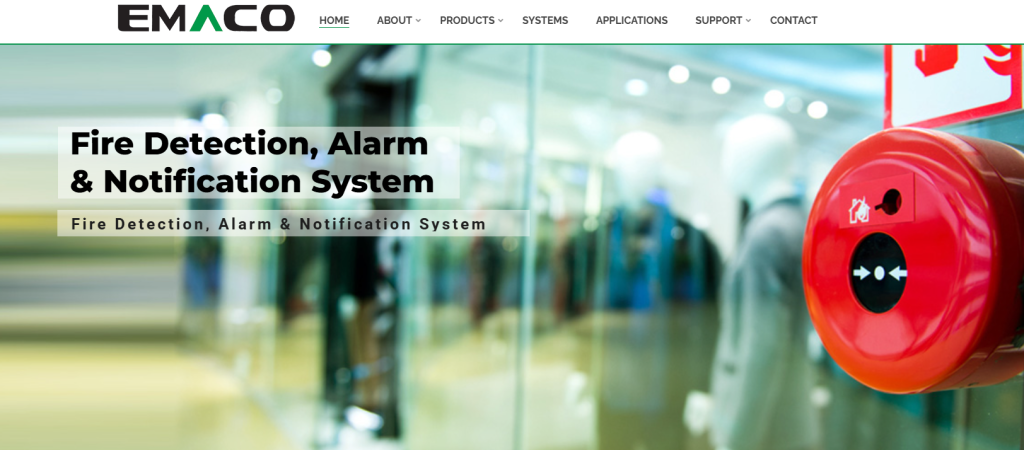
Fire Detection & Alarm Systems
While not hands-on equipment, detection and alarm systems are integral to comprehensive fire protection equipment strategies. Smoke and heat detectors are essential life-saving devices. Installed alarms/notification systems ensure that people are alerted to evacuate or take action immediately. For many facilities, an integrated fire alarm system is required by code (NFPA 72).
These systems may automatically trigger sprinklers or suppression, turn off HVAC, and notify fire departments. In a well-designed fire protection equipment plan, detection provides early warning, while extinguishers, sprinklers, and suppression systems do the actual firefighting. Always include smoke and fire alarms alongside suppression hardware in your safety strategy.
Choosing the Best Fire Protection Company in the USA: Why EMACO GLOBAL Stands Out
Selecting the right fire protection company in the USA is not just a matter of compliance—it’s about safeguarding lives, assets, and business continuity. With rising fire safety challenges across residential, commercial, and industrial sectors, expertise and certified solutions have become non-negotiable. A dependable partner ensures your facility is equipped with advanced fire protection equipment, adheres to NFPA and global safety standards, and provides long-term reliability.
This is where EMACO GLOBAL emerges as the preferred choice. As a leader in the fire safety industry, we combine innovation with compliance to deliver world-class solutions. From foam fire protection systems to HFC227ea fire suppression systems, our products are UL, FM, and LPCB approved—meeting the most stringent quality benchmarks worldwide. Beyond supplying products, we deliver end-to-end solutions tailored to unique client needs.
Key Reasons Why EMACO GLOBAL is the Best Fit
Certified Excellence with Global Approvals
- We manufacture and supply every piece of fire protection equipment that is backed by UL, FM, and LPCB certifications. These international approvals ensure our solutions are trusted by engineers, consultants, and safety authorities across the USA and worldwide. Choosing EMACO means choosing compliance, reliability, and guaranteed performance.
- Unlike many fire safety providers that specialise in a single category, EMACO GLOBAL offers a complete portfolio—from foam fire protection systems for industrial sites to HFC227ea fire suppression systems for sensitive IT environments. This all-in-one availability helps businesses streamline procurement and ensure system compatibility.
Tailored, Industry-Specific Solutions
- Every business faces unique fire risks. We provide solutions tailored to the demands of various sectors—be it oil & gas, manufacturing, aviation, healthcare, or commercial real estate.
Decades of Proven Expertise
- With years of experience serving global industries, EMACO has built a reputation for technical excellence and reliability.
Commitment to Innovation & Safety
- Fire risks evolve, and so should fire protection. EMACO GLOBAL continuously invests in the manufacturing and distribution of fire protection equipment for early detection and suppression.
When you choose EMACO GLOBAL, you’re not just partnering with a fire protection supplier—you’re gaining a dedicated safety partner committed to protecting people, property, and performance.
FAQ: Fire Protection Equipment
Q: What are the most common types of fire protection equipment?
A: Common fire safety equipment includes portable fire extinguishers (dry chemical, CO₂, foam, water), automatic sprinkler systems, smoke/heat detectors with alarms, fire hose reels/standpipes, and special suppression systems like foam or clean-agent (HFC-227ea) systems. Each is designed for specific fire scenarios.
Q: How does a foam fire protection system work?
A: A foam fire protection system mixes water, air, and concentrate to create a foam blanket. This foam floats on flammable liquids, separating the fuel from oxygen and cooling it. By smothering the fire, the foam effectively extinguishes fires involving fuels like oil, gasoline, or grease.
Q: What is an HFC-227ea fire suppression system?
A: HFC-227ea (FM-200) is a clean agent gas used in fire suppression. It extinguishes fires by absorbing heat and interrupting combustion. HFC-227ea systems are fast-acting (flooding a room in seconds) and leave no residue, making them ideal for protecting electronics in data centres and telecom rooms.
Q: Why is it essential to work with a fire protection company in the USA?
A: A qualified fire protection company in the USA (like EMACO Global) ensures equipment and systems are correctly installed and meet local codes (NFPA). They provide certified products (UL/FM-approved) and maintenance. Their expertise tailors solutions to US building standards and guarantees the system will function during an emergency.
Q: How often should fire protection equipment be inspected?
A: Inspection schedules are set by NFPA standards. Typically, fire extinguishers get a quick visual check monthly and a full service annually. Sprinkler systems require annual maintenance and a 5-year internal pipe inspection. Alarms should be tested regularly. A fire protection company can provide inspection services to meet these standards.
Q: Can clean agent (FM-200) suppressors harm the environment?
A: FM-200 (HFC-227ea) has no ozone depletion potential but a relatively high global warming potential (GWP). For this reason, systems use minimal amounts of required data. Newer alternatives like 3M Novec 1230 have lower GWP. However, FM-200 is safe in occupied spaces if used per NFPA 2001 protocols.
Q: What’s the difference between wet and dry pipe sprinkler systems?
A: In a wet pipe system, pipes are always water-filled. When a sprinkler activates, water flows immediately. In a dry pipe system, pipes are filled with compressed air; a valve holds back water until a sprinkler opens. Dry systems are used where pipes might freeze (cold storage, unheated garages).
Q: Are foam extinguishers effective on electrical fires?
A: No. Foam extinguishers should NOT be used on live electrical equipment (Class C fires) because they conduct electricity. For electrical hazards, CO₂ or clean-agent extinguishers are recommended. Always use the correct extinguisher for the fire class.
Q: What fire protection equipment in the system is best for data centers?
A: Data centers typically use clean agent suppression (like HFC-227ea FM-200) and early warning detection. These extinguish fires electrically and cause no water damage. Smoke detectors tied to an FM-200 system prevent fires in seconds. EMACO’s clean agent systems are designed for such sensitive environments.
Q: Why is EMACO GLOBAL the best fire protection company in the USA?
A: EMACO GLOBAL stands out as a top fire protection company in the USA because it offers a full range of UL, FM, and LPCB-approved fire protection equipment, including foam fire protection systems and HFC227ea fire suppression systems, and many more. With decades of expertise, end-to-end project support, customized solutions for commercial, industrial, and residential sectors, and strict adherence to NFPA standards, EMACO ensures reliable, compliant, and highly effective fire safety solutions.
Conclusion: Protect What Matters with Top Fire Safety Gear
Ensuring safety means investing in the top fire protection equipment and working with experts. Each component plays a role, from ABC extinguishers to advanced foam and clean-agent systems. Sprinklers and alarms provide active protection, while specialised systems guard specific risks. When searching for a fire protection company in the USA, choose one that offers comprehensive solutions and adherence to US codes. For example, EMACO Global’s solutions pages detail their complete offerings.
The message for businesses and residents alike is clear: don’t wait for a fire to learn your system fails. Take action now by consulting with professionals. Contact EMACO Global or explore their Systems and Applications pages to get the best solutions. Subscribe to their updates for more fire safety tips, and read related articles on their blog (like fire hazard case studies). Your life and property deserve the best protection—get started today with expert guidance and top-tier fire protection equipment.
 based in USA, provides full spectrum of fire safety and security products and solutions for industrial, commercial and large residential premises. Each premise is unique and we design solutions that best fit in the market and cater to all present and future needs.